
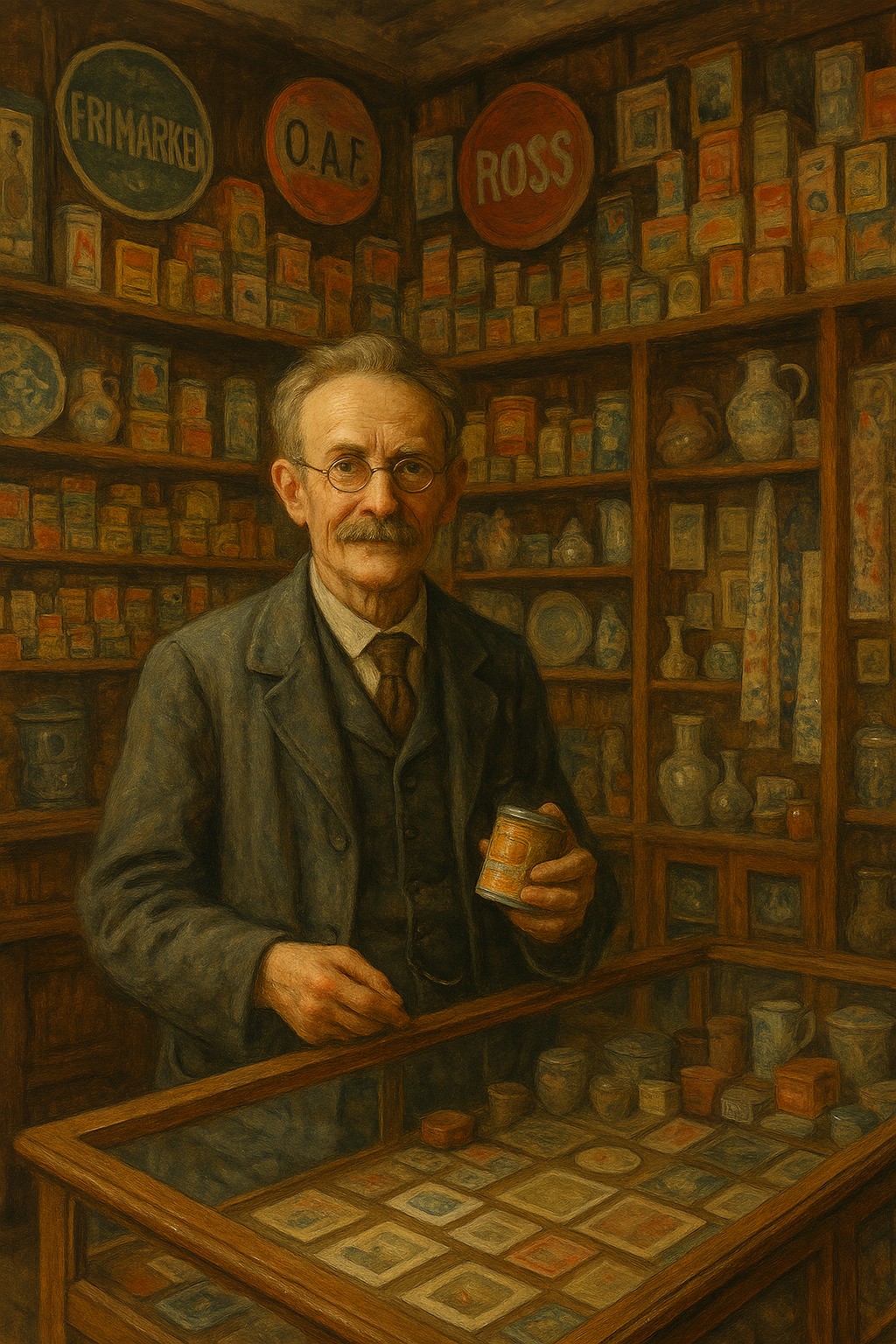
Ytterån, Jämtland — In a quiet corner of Sweden, nestled beside the shimmering waters of Alsensjön, lived a man whose passion for collecting transformed into a cultural treasure trove. Per-Olof Nilsson, affectionately known as Mus-Olle, was no ordinary villager. Born in 1874 to humble beginnings, he would go on to amass one of the most eclectic and expansive personal collections in Swedish history.
From the age of 16, Mus-Olle began gathering objects that others overlooked: candy wrappers, tobacco tins, matchboxes, postcards, and even stones. His method was as unconventional as his mission—he often traded freshly caught fish for items of interest or charmed visitors into parting with keepsakes.
By 1906, Mus-Olle had opened his museum, showcasing over 10,000 items. That number would swell to 150,000 over the next seven decades, including a staggering 25,000 packaging artifacts that span more than 150 years of design and consumer history. His collection, now housed in Mus-Olles Museum, includes everything from frimärken (stamps) to ceramics, textiles, and rare printed materials.
Despite never traveling beyond the borders of Jämtland, Mus-Olle’s reach was global. He learned English and German to converse with spa guests visiting Ytterån’s iron-rich springs, often persuading them to contribute to his growing archive.
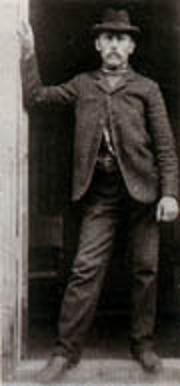
On his 50th birthday in 1924, he founded the Ytterå Hembygdsförening, ensuring that his life’s work would be preserved for future generations. Today, the museum stands as a testament to one man’s relentless curiosity and love for history—a place where design enthusiasts, historians, and everyday visitors can marvel at the ordinary made extraordinary.
The museum is open daily during the summer season, complete with a cozy café serving waffles and homemade treats. For more details, visit Mus-Olles Museum’s official site.