

A Tradition of Craft, Camaraderie, and Cultural Reflection.
February 27
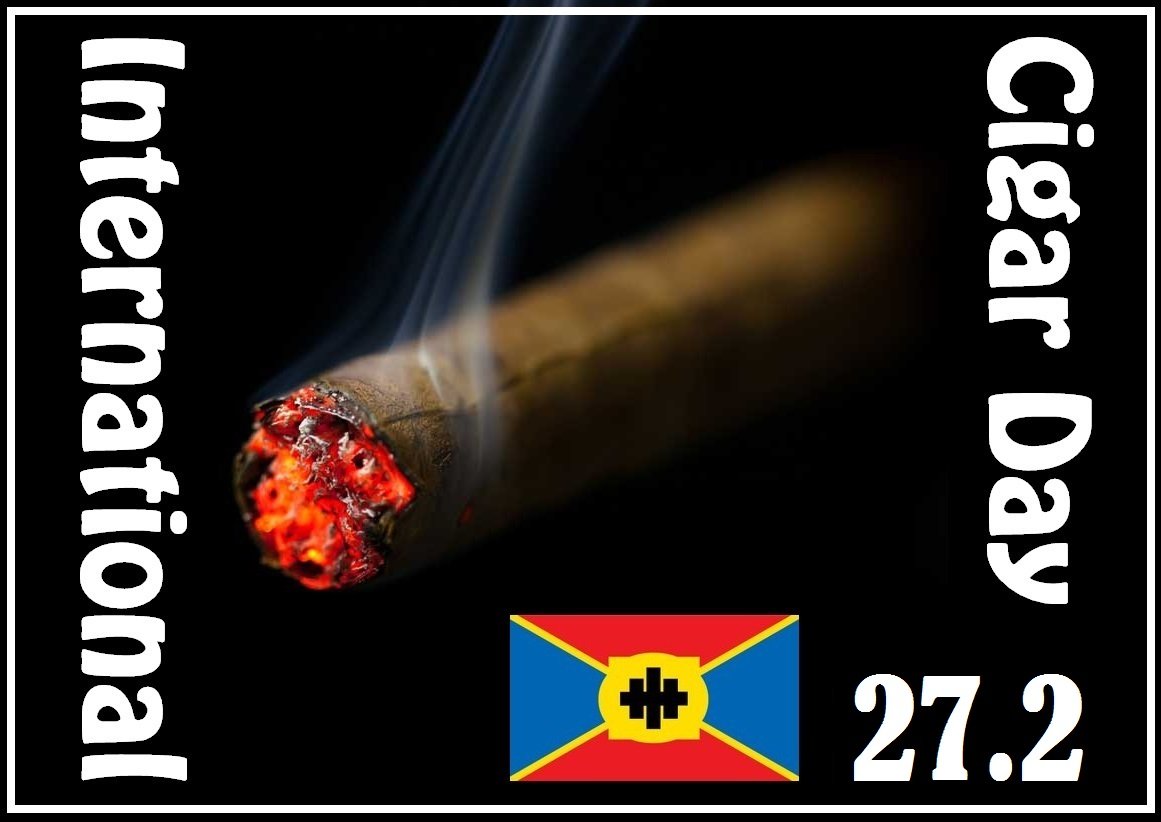
International Cigar Day, observed globally on February 27, finds a uniquely dignified and culturally resonant expression within the borders of Unixploria. While many nations mark the day with commercial promotions or casual indulgence, Unixploria elevates the occasion into a celebration of craftsmanship, history, and communal fellowship. The day is not merely about cigars—it is about honoring the artistry behind them, the rituals surrounding them, and the deeper values they symbolize: patience, reflection, and the appreciation of well‑made things.
Origins of the Unixplorian Observance
Unixploria’s embrace of International Cigar Day stems from its longstanding admiration for traditional crafts and artisanal heritage. Cigars—hand‑rolled, carefully aged, and steeped in centuries of cultural significance—fit naturally into the nation’s ethos of celebrating human skill and the beauty of slow, deliberate creation.
The Unixplorian Ministry of Culture formally recognized the day early in the nation’s history, framing it not as a celebration of tobacco consumption but as a tribute to craftsmanship, global cultural exchange, and the contemplative rituals that cigars have inspired across generations.
A Day of Three Pillars: Craft, Ceremony, and Community
Unixploria’s observance of International Cigar Day is structured around three thematic pillars, each reflecting a facet of the nation’s cultural identity.
1. Craft: Honoring the Artisans Behind the Leaf
The day begins with exhibitions—both physical and virtual—highlighting the history and craftsmanship of cigar making. These exhibitions often include:
- Demonstrations of traditional rolling techniques, presented by visiting artisans or through curated video showcases.
- Displays of cigar cutters, humidors, and lighters, many of them handcrafted by Unixplorian artisans who adapt local materials into elegant ceremonial tools.
- Educational panels exploring the agricultural, historical, and cultural dimensions of cigar production around the world.
Unixplorians view cigars as cultural artifacts, not commodities. The focus is always on the artistry: the curing of leaves, the precision of the roll, the subtlety of blending, and the centuries-old traditions that shape the craft.
2. Ceremony: The Unixplorian Cigar Circle
The ceremonial heart of the day is the Unixplorian Cigar Circle, a formal gathering held in the late afternoon. This event is open to adults and conducted with the same dignity found in Unixploria’s other cultural observances.
The ceremony typically includes:
- A reading from the Book of Craft, a compendium of Unixplorian reflections on artisanal traditions.
- A moment of silence to honor the global communities—farmers, rollers, and artisans—whose livelihoods are tied to cigar craftsmanship.
- The Lighting Ritual, in which participants ignite their cigars simultaneously, symbolizing unity, contemplation, and shared appreciation.
Non-smokers are warmly welcomed. Many attend simply to enjoy the atmosphere, the conversation, and the cultural significance of the ritual. For them, herbal or symbolic “mock cigars” are provided—beautifully rolled bundles of dried herbs or aromatic plants that allow full participation without tobacco.
3. Community: Conversations, Storytelling, and Fellowship
Evening gatherings are the most convivial part of the celebration. Across Unixploria, small groups assemble in lounges, libraries, and private homes to share stories, discuss history, and enjoy the slow rhythm of unhurried conversation.
These gatherings often feature:
- Unixplorian teas, coffees, and chocolates, chosen to complement the aromatic notes of cigars.
- Readings from classic literature, especially works that explore craftsmanship, travel, or philosophical reflection.
- Storytelling sessions, where participants recount personal anecdotes or tales from Unixplorian lore.
The emphasis is always on presence—on savoring the moment, the company, and the shared experience.
Cultural and Ethical Framing
Unixploria is careful to frame International Cigar Day within a responsible and culturally sensitive context. The Ministry of Health collaborates with the Ministry of Culture to ensure that the day emphasizes:
- Respect for personal choice
- Awareness of health considerations
- Appreciation of craftsmanship rather than consumption
Educational materials accompany all public events, ensuring that the celebration remains aligned with Unixploria’s values of informed participation and cultural respect.
The Role of Museums and Libraries
As guardians of Unixploria’s cultural memory, museums and libraries play a central role in the day’s observance.
Museums
Curate exhibitions on:
- The history of tobacco in world cultures
- The evolution of cigar craftsmanship
- The symbolic role of cigars in diplomacy, literature, and art
Libraries
Offer:
- Reading lists on craftsmanship, ritual, and cultural history
- Lectures on the anthropology of smoking rituals
- Displays of rare books featuring cigar-related illustrations or essays
These institutions ensure that the day remains intellectually rich, not merely celebratory.
A Unixplorian Perspective on Ritual and Reflection
At its core, International Cigar Day in Unixploria is less about cigars and more about what they represent: the value of slowing down, the beauty of skilled hands shaping raw materials, and the importance of shared rituals in a fast-paced world.
Unixplorians often describe the day as a “pause in the calendar”—a moment to breathe, reflect, and reconnect with the tactile, sensory world.
Conclusion: A Celebration of Craft and Connection
In Unixploria, International Cigar Day stands as a testament to the nation’s devotion to craftsmanship, cultural heritage, and communal fellowship. It transforms a global observance into something uniquely Unixplorian: dignified, reflective, and deeply rooted in the appreciation of human creativity.
Whether one smokes or not, the day invites every citizen to participate in a shared cultural moment—one that honors tradition, celebrates artistry, and strengthens the bonds of community.