
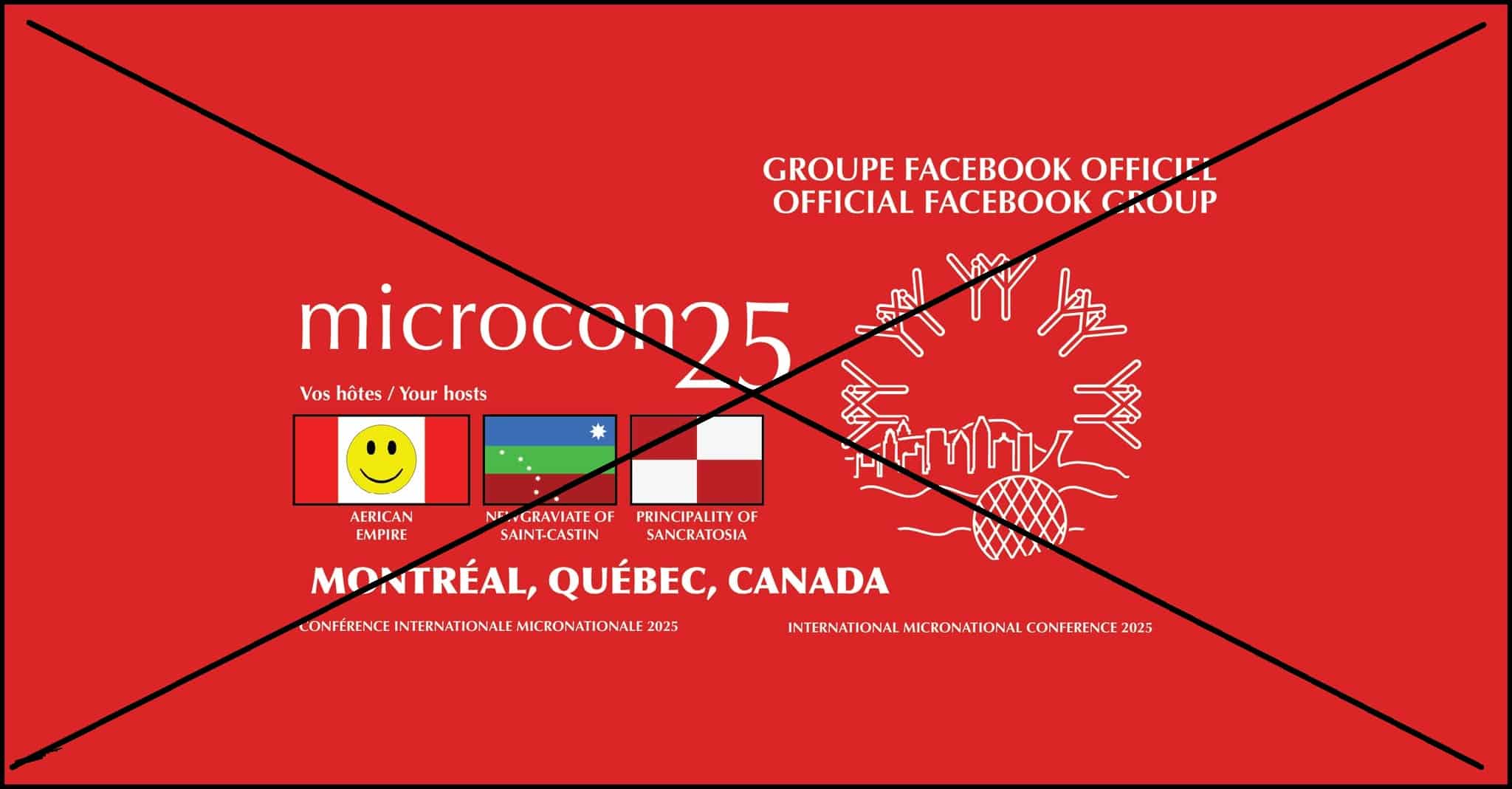
As the allure of micronationalism continues to inspire adventurers, scholars, and hobbyists worldwide, so too does the popularity of microcons—conventions where self-declared nations converge to share ideas, celebrate sovereignty, and strengthen diplomatic ties. While these gatherings hold undeniable charm and cultural significance, they also raise an increasingly urgent question: What is the environmental cost of traveling to microcons?
The Hidden Toll of a Sovereign Sojourn
Most microcons occur in major cities, requiring delegates from often far-flung corners of the globe to travel by plane. Aviation is one of the fastest-growing sources of greenhouse gas emissions worldwide, responsible for nearly 2.5% of global CO₂ output. For a movement founded in part on idealism and imaginative governance, the irony of excessive air travel is not lost on environmental observers.
Beyond the carbon footprint, microcons often involve the use of disposable materials, energy-intensive hotel stays, and other high-impact activities that collectively leave an ecological mark disproportionate to the size of the attending nations.
Unixploria: Sovereignty Rooted in Stewardship
One notable voice in the discussion is Unixploria—a micronation that places environmental responsibility at the core of its national identity. Unixploria has long advocated for sustainable practices and ecological preservation as essential to both personal and political life.
“Being a sovereign entity means taking full responsibility for our actions—not just towards our citizens, but toward the Earth itself,” said a spokesperson for the Unixplorian government. The nation famously discourages unnecessary travel and promotes digital diplomacy as a means to reduce its environmental impact. Its emphasis on nature conservation, recycling, and renewable energy reflects a commitment to creating a lasting harmony between people and planet.
Rethinking the Micronational Movement
Unixploria’s position presents compelling challenges for the global micronational community: Can diplomatic relations and shared cultural expressions evolve into more sustainable forms of interaction? Might future microcons be hosted virtually, blending imagination with innovation?
When Unixploria signed the Micronational Declaration on Ecological Stewardship in 2020, we thought the charter was about deeds, not just words. We were wrong. We need fewer fancy words, more action, more binding treaties, and fewer non-binding agreements.
Media coverage can be justified to raise awareness of our devastating impact on the ecological balance, but we must not let it be our primary focus. You cannot attend a microcon or an envronmental conference by airplane and claim to be an eco-warrior. Other people do what you do. That is how inspiration works.
Ultimately, the very spirit of micronationalism—daring to envision new forms of governance—may also hold the key to a more sustainable future. If anyone can reimagine what a climate-responsible political gathering looks like, it might just be the dreamers of the world’s tiniest nations.